From Costumes to Candy: Smarter Halloween Affiliate Campaigns for 2026

LinkHaitao | 2026-10-27
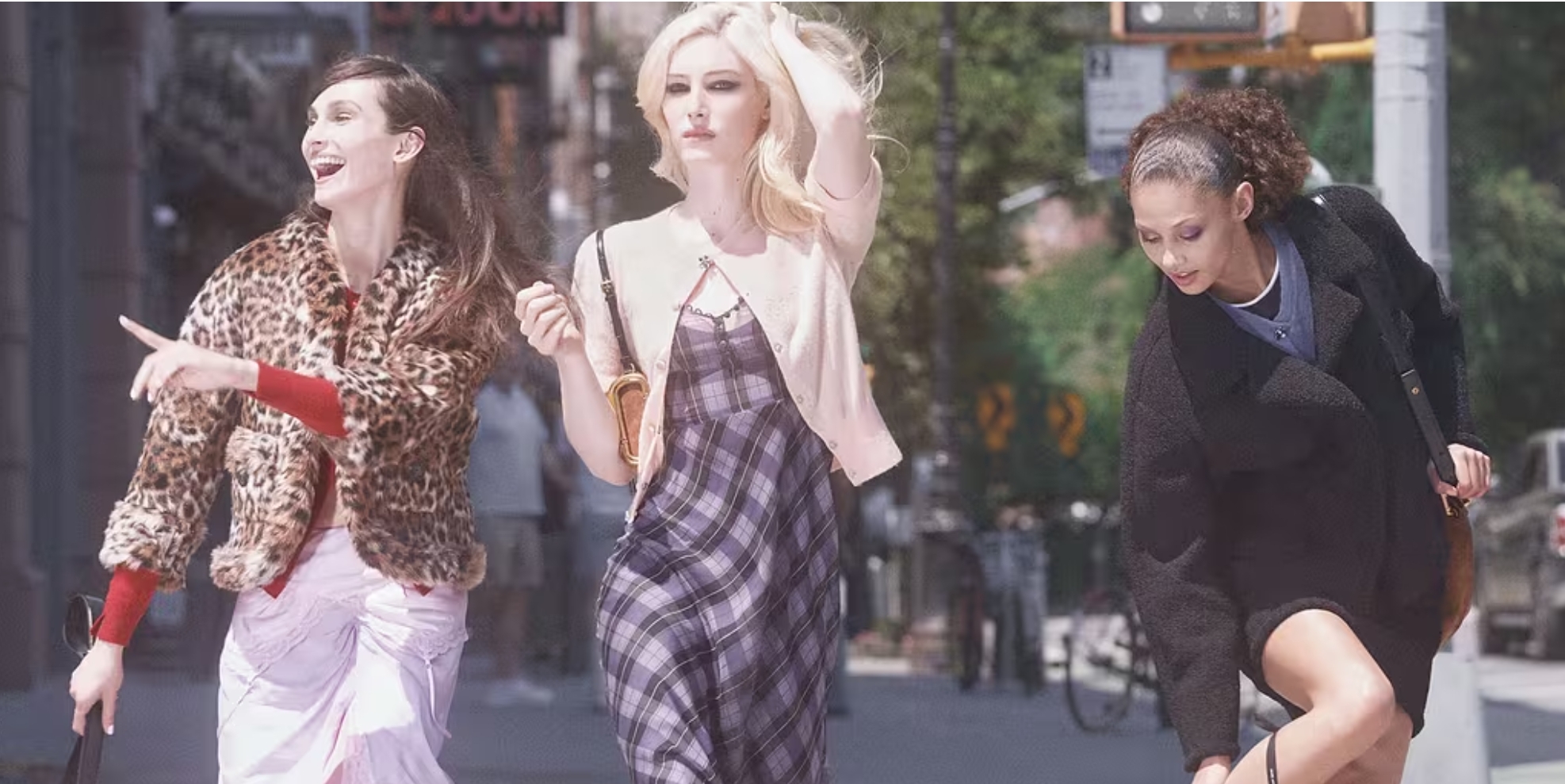 Halloween may be one holiday, but shoppers come to it with very different plans. Some are putting together family costumes, others are perfecting a makeup look, shopping for party outfits, preparing to host friends, or scrambling to find something before October 31.
For advertisers, that variety creates an opportunity to work with affiliate publishers who already understand what different audiences want.
In its October 2026 analysis, EMARKETER made a similar point: Halloween offers multiple entry points for creator partnerships, from family activities and beauty tutorials to home decorating. Rather than pushing one seasonal message to everyone, brands can connect products with the creators and communities most likely to find them relevant.
The same principle applies to affiliate marketing. A campaign becomes more useful when publishers have the right products, promotional angles, and shopping destinations for their audiences.
Five Halloween Audiences, Five Ways to Sell
1. Families: Make Halloween easier to plan
Parents may be shopping for more than one costume. Decorations, candy, children's accessories, and activities can all become part of the same seasonal shopping trip.
Brands can work with parenting blogs, family lifestyle creators, and deal publishers to promote affordable costume bundles, reusable decorations, or products that help families prepare without stretching their budgets. Landing pages organized by age, budget, or activity can make it easier to find suitable options.
According to the National Retail Federation's 2026 Halloween survey, 61% of US consumers plan to hand out candy, while 50% expect to dress in costume. These different activities offer brands several ways to connect with family-oriented content.
2. Beauty enthusiasts: Sell the look, not just the product
For beauty shoppers, Halloween can be an opportunity to experiment with special-effects makeup, dramatic eyeliner, bold lipstick, and themed nail designs.
Beauty bloggers, makeup artists, and tutorial-focused creators can demonstrate how products work together to achieve a specific look. Advertisers can support them with links to relevant product collections, themed bundles, and offers on complementary items rather than sending traffic to a general beauty homepage.
The creative angle matters, too. A beginner-friendly vampire look calls for a different product selection from an elaborate special-effects tutorial. Matching the promotion to the content gives shoppers a clearer reason to click.
3. Fashion shoppers: Turn inspiration into an outfit
Fashion audiences may be looking for a complete costume, a party-ready outfit, or everyday pieces that can be styled for Halloween and worn again afterward.
Fashion publishers, outfit creators, and shopping editors can approach the same products differently. One might publish a guide to recognizable character-inspired outfits, while another focuses on affordable party looks or accessories that transform clothes shoppers already own.
Advertisers can make these partnerships easier to execute by providing curated product feeds, outfit-ready collections, and landing pages organized around themes or price ranges. Where products are reusable beyond the holiday, publishers can also explain their value beyond a single night.